Understanding endometriosis, its diagnosis, and the place of acupuncture alongside gynaecological follow-up.
By Dr Alexandre Fleury · Physician acupuncturist · ~4 min read · Updated October 2026
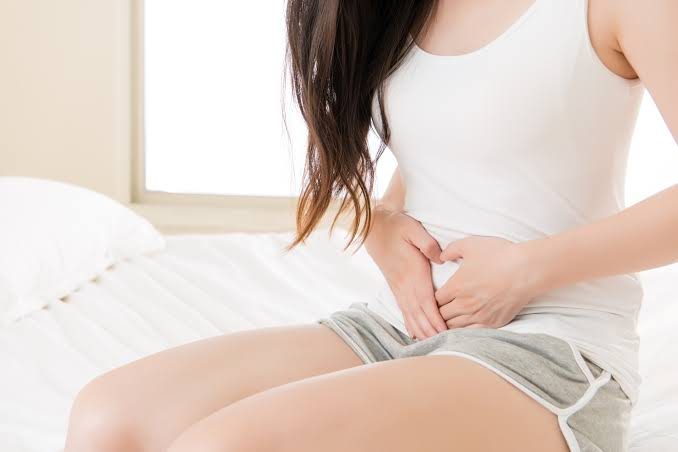
Endometriosis is a chronic condition in which tissue similar to the lining of the uterus (the endometrium) grows outside it. It affects around one woman in ten. The diagnosis is often made after several years of uncertainty: your pain is real, it is disabling, and it deserves to be investigated.
The most common signs are very painful periods, chronic pelvic pain, pain during intercourse, digestive or urinary symptoms that vary with the cycle (pain with bowel movements, bloating), marked fatigue and, sometimes, difficulty conceiving. The intensity of symptoms is not always proportional to the extent of the lesions.
Diagnosis relies on history-taking, gynaecological examination and imaging (pelvic ultrasound, MRI), ideally carried out by experienced teams. Management can combine pain treatment, hormonal treatments, surgery in some cases, and fertility care. Dedicated endometriosis care pathways exist in France.
TCM describes endometriosis as a pattern of chronic Blood stasis in the lower abdomen, often associated with Cold, Qi stagnation (stress, tension) and Kidney weakness. This reading guides the choice of points, the use of heat and lifestyle advice. As always, these are traditional frameworks, not medical explanations.
The scientific evidence is still limited, with a few encouraging results on pain, but from very few studies. My aim is to support you: easing pain, improving energy, sleep, digestive symptoms and the stress that often comes with the condition. Follow-up is coordinated with your gynaecologist.
No diet cures endometriosis. Many women feel better with a varied, Mediterranean-style diet, rich in vegetables, fish and healthy fats. In TCM, cooked, warm dishes are favoured, while iced foods, sugar and alcohol are limited. Stay flexible: this is not about depriving yourself, or feeling guilty.
I use very small, single-use needles, much finer than a blood-test needle. Most of the time, you feel a light pinprick, then nothing more. Sometimes you feel nothing at all; and some areas are more sensitive than others. This sensation lasts a few seconds, then settles.
You may also feel, around the needle, a dull sensation of heaviness, warmth or tingling: this is an expected and harmless sensation. If something bothers you, tell me: I can adjust or remove the needle straight away. The lower abdomen and lower back can be more sensitive, especially when the area is already painful: I adapt to your sensitivity, and can start with a small number of needles.
This article is intended for information and educational purposes. It does not replace a medical consultation and does not constitute personalized advice.