Low back pain, pelvic girdle pain: understanding back pain during pregnancy and what acupuncture can offer.
By Dr Alexandre Fleury · Physician acupuncturist · ~4 min read · Updated October 2026
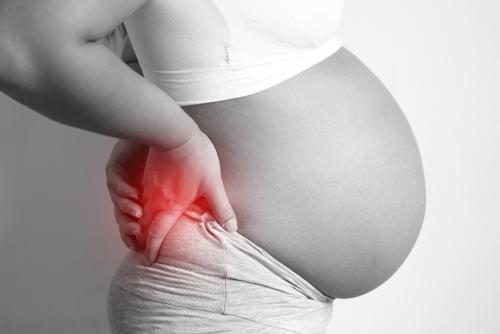
About one pregnant woman in two experiences back or pelvic pain, most often during the second and third trimesters. It is very common, but that does not mean you simply have to “live with it”.
Several factors add up: a hormone (relaxin) that loosens the ligaments, the weight and volume of the uterus which shift the body’s balance, posture and fatigue. A distinction is made between low back pain, pelvic girdle pain (joints at the back of the pelvis or at the pubic bone, often uncomfortable when walking or turning over in bed), and sciatica.
For TCM, the Kidney governs the lower back and supports pregnancy: it is particularly called upon during these months. Kidney fatigue, a poorly nourished meridian pathway (Bladder, Dai Mai girdle vessel), or circulation slowed by Dampness in heavy legs are among the patterns mentioned. These notions guide the choice of points and advice.
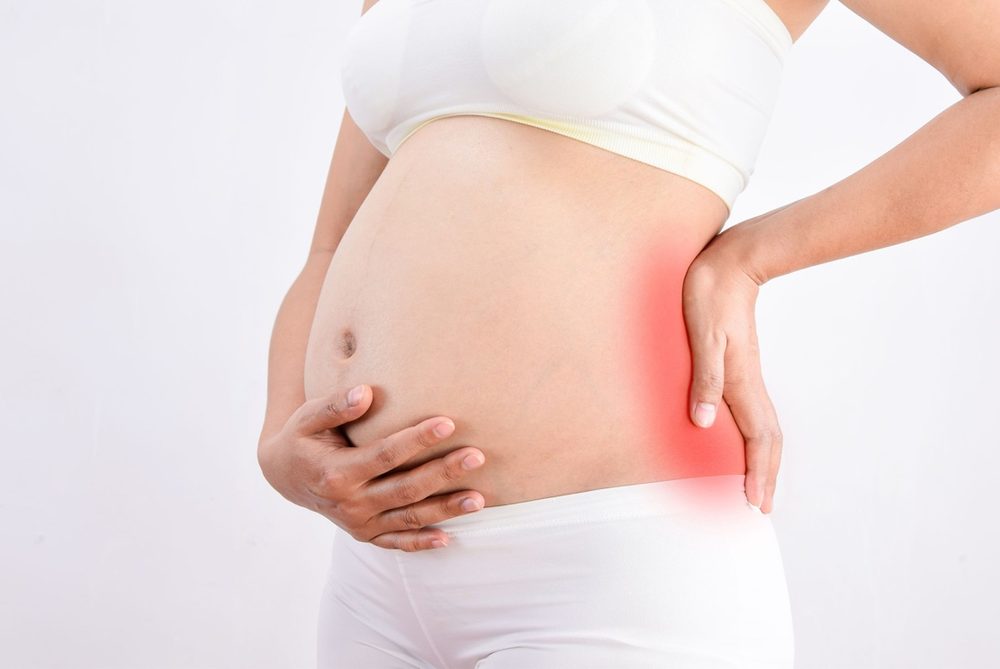
Reviews of the literature suggest that acupuncture can modestly ease low back and pelvic pain during pregnancy. Sessions are adapted: a comfortable position, on your side or semi-reclined, with points chosen with pregnancy in mind.
It is used alongside physiotherapy, birth preparation with a midwife, suitable physical activity, and a support belt if needed.
I use very small, single-use needles, much finer than a blood-test needle. Most of the time, you feel a light pinprick, then nothing more. Sometimes you feel nothing at all; and some areas are more sensitive than others. This sensation lasts a few seconds, then settles.
You may also feel, around the needle, a dull sensation of heaviness, warmth or tingling: this is an expected and harmless sensation. If something bothers you, tell me: I can adjust or remove the needle straight away. During pregnancy, you are positioned comfortably (on your side or semi-reclined) and I choose the points with care.
When should you seek prompt medical advice?
Contact your midwife, doctor or the maternity unit in case of:
This article is intended for information and educational purposes. It does not replace a medical consultation and does not constitute personalized advice.