Understanding pregnancy nausea, the P6 (Neiguan) point, and what acupuncture can safely offer.
By Dr Alexandre Fleury · Physician acupuncturist · ~4 min read · Updated October 2026
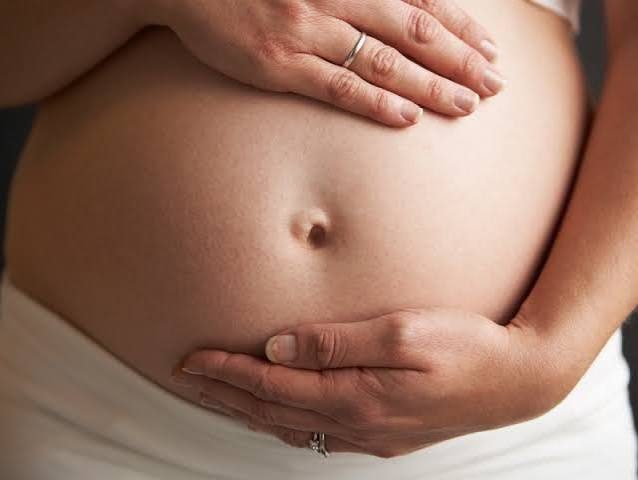
Nausea and vomiting affect the majority of pregnant women. They often appear between the 6th and 12th week, then ease off around the 14th–16th week. Despite their name, they are not limited to the morning. Usually mild, they can nonetheless be very unpleasant.
Hormonal changes, particularly the rise in the pregnancy hormone (hCG), and a heightened sensitivity to smells contribute to this. In around 1–2% of pregnancies, vomiting becomes severe: medical care is then needed.
During pregnancy, Blood gathers to nourish the baby. According to TCM, the Chong Mai vessel, the “Sea of Blood”, then has its energy rise, and the Stomach, whose Qi should normally descend, starts to flow “the wrong way” — hence the nausea. Depending on the underlying pattern, this may be described as a weak Stomach (nausea with fatigue), Liver heat (bitter taste, irritability), or phlegm (excess saliva, heaviness).
The most commonly used point is Neiguan (Pericardium 6), located on the inner forearm, about three finger-widths above the wrist crease, between the two central tendons. It can be stimulated with needles or by simple pressure that you can apply yourself (acupressure).
Studies give mixed results: some show improvement, others no clear difference from a placebo. The technique is, however, well tolerated. Acupuncture is offered as a comfort option, alongside the usual advice.
When practised by a trained physician, it is considered safe: certain points are avoided during pregnancy and techniques are adapted. Be cautious, however, with Chinese herbs: many herbs are not recommended during pregnancy — never take herbs or supplements without medical advice.
I use very small, single-use needles, much finer than a needle used for a blood test. Most of the time, you feel a light pinprick, then nothing more. Sometimes you feel nothing at all; some areas are more sensitive than others. This slight discomfort lasts a few seconds, then settles.
You may also feel, around the needle, a dull sensation of heaviness, warmth or tingling: this is expected and not a cause for concern. If anything bothers you, tell me: I can adjust or remove the needle straight away. During pregnancy, you are positioned comfortably (on your side or semi-reclined) and I choose the points with care.
When should you seek care quickly?
This article is for informational and educational purposes. It does not replace a medical consultation and is not personalised advice.