The five flavours of Chinese dietetics — sour, bitter, sweet, pungent, salty — and how to balance them on your plate.
By Dr Alexandre Fleury · Physician acupuncturist · ~5 min read · Updated October 2026
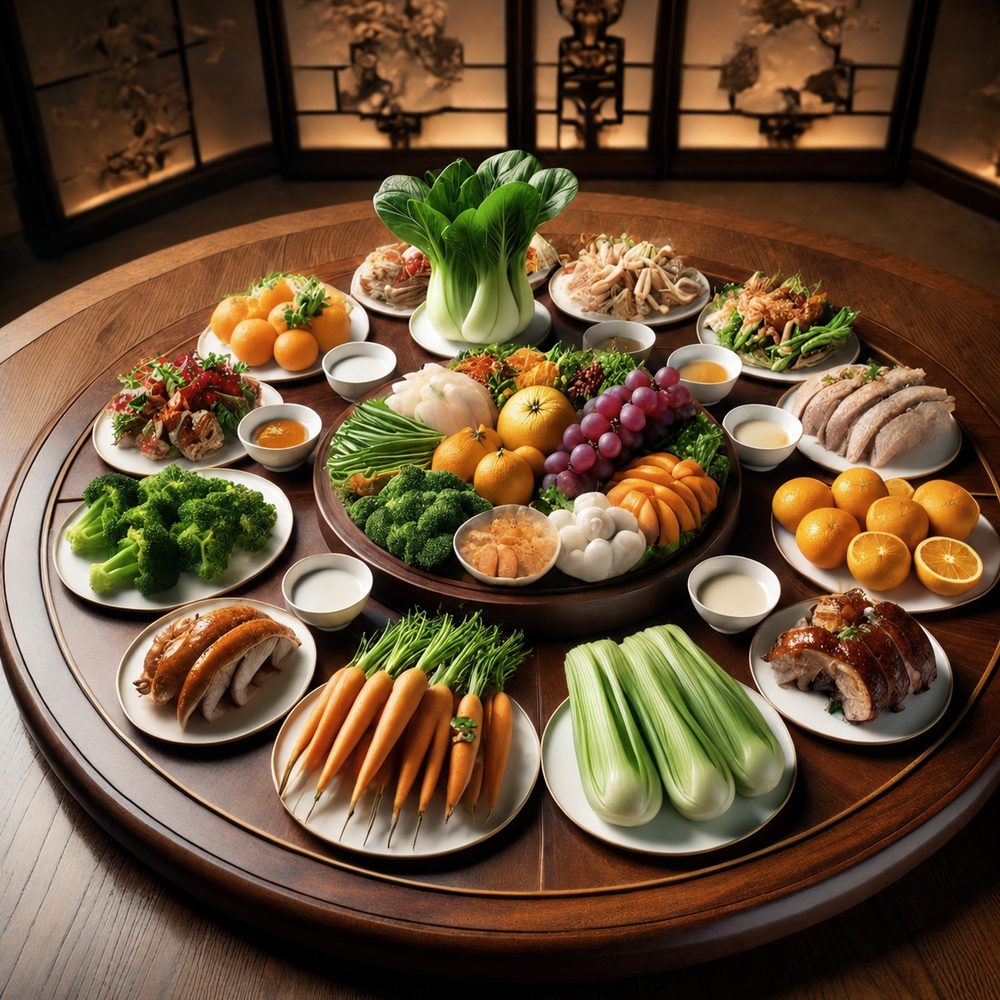
Sweet or salty: everyone has their own preference, and sometimes strong cravings. Chinese dietetics treats flavour as a real tool: each flavour has an action on the body and a special link to an organ. Let’s see how to read this, without dogmatism.
TCM recognises five, linked to the five Elements:
| Flavour | Element & organ | Traditional action | Food examples |
|---|---|---|---|
| Sour | Wood, Liver | Contracts, retains | Lemon, vinegar, plum, red berries |
| Bitter | Fire, Heart | Drains, cools, makes descend | Endive, rocket, artichoke, green tea |
| Sweet | Earth, Spleen | Nourishes, tonifies, harmonises | Rice, oats, sweet potato, squash, carrot, dates |
| Pungent | Metal, Lung | Disperses, activates circulation | Ginger, onion, radish, pepper |
| Salty | Water, Kidney | Softens, makes descend | Salt, seaweed, miso, soy sauce, fish |
Sour is linked to Wood and the Liver. It contracts and retains: TCM associates it with preventing “losses” (excessive sweating, diarrhoea, discharge). Lemon, vinegar, plum and red berries give this taste. A little sour stimulates appetite and digestion; in excess, tradition describes it as tightening the Liver and the tendons. It should also be used sparingly in cases of reflux or a sensitive stomach.
Bitter is linked to Fire and the Heart. It drains, cools and makes things descend: it is the flavour that “cleanses” after a rich meal. Endive, rocket, artichoke, dandelion or green tea are examples. It is under-represented in our modern diet, and a touch of bitterness often helps digestion. In excess, especially in someone who is tired, prone to feeling cold, or has weak digestion, TCM considers it too “cooling”.
In TCM, the sweet flavour belongs to the centre: it nourishes and supports the Spleen. But be careful: the “sweetness” of grains, root vegetables and cooked squash is not the refined sugar of biscuits and sodas. The former is traditionally seen as fundamental, the latter, in excess, as a source of heaviness, post-meal fatigue and “dampness”.
When cravings for sweet food are very frequent, TCM sometimes sees this as a tired Spleen: the body is asking for quick energy. Modern medicine adds lack of sleep, stress and irregular meals to the picture. The WHO recommends that free sugars make up less than 10% of daily energy intake.
Pungent is linked to Metal and the Lung. It disperses, opens the pores and activates circulation: ginger, onion, garlic, radish, pepper, cinnamon. It is the flavour of early colds and the cooler seasons. In excess, tradition considers it drying: it can irritate digestion (reflux, gastritis) and should be moderated in cases of dry skin, hot flushes or restlessness.
The salty flavour is linked to Water and the Kidney. In small amounts it is useful; in excess, tradition warns against it: the Su Wen describes it as potentially slowing the circulation of the blood. This echoes current knowledge about salt and blood pressure.
The WHO recommends not exceeding 5g of salt per day. We often consume more than that, especially through processed products (bread, cured meats, ready meals, sauces).
TCM also describes the “nature” of foods (hot, warm, neutral, cool, cold). Two sweet foods can therefore act very differently depending on whether they are more cooling or more warming. Flavours are a first marker; the full picture is read together with a food’s nature, the season, your constitution and your digestion.
Neither one nor the other: both have their place. The guiding idea of Chinese dietetics is balance: varying the flavours, without excluding or overusing any of them. A strong craving for sweet or salty food is not a diagnosis, but it can be a signal worth reflecting on — about sleep, stress, fatigue or meals.
This advice is intended for people in good health. If you have diabetes, high blood pressure, kidney disease or a prescribed diet, follow your doctor’s recommendations first.
This article is for informational and educational purposes. It does not replace a medical consultation and is not personalised advice.