A clear introduction to the core principles of Chinese medicine, free of jargon.
By Dr Alexandre Fleury · Physician acupuncturist · ~5 min read · Updated October 2026
 The foundations of TCM
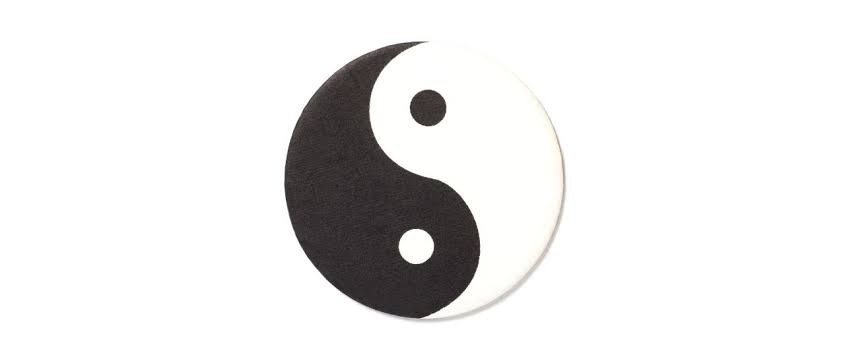
Yin and Yang are often presented as “opposites”, but the central idea in Chinese medicine is really one of dynamic balance: each contains a part of the other and transforms into it. Yin represents what is cool, calm, inward, nourishing (the night, rest, the body’s fluids). Yang represents what is warm, active, outward, dynamic (the day, movement, body heat).
In clinical practice, most imbalances come down to an excess or a lack of one relative to the other: for example, night-time hot flushes often suggest insufficient Yin no longer able to “cool” the Yang, while deep fatigue with a tendency to feel cold suggests, rather, insufficient Yang.
The theory of the 5 Elements (or 5 Movements) links each element of nature to an organ, a season, an emotion, and many other correspondences. It is a tool for understanding how the body’s different functions influence one another.
These elements generate one another (Wood feeds Fire, as wood fuels a flame) and control one another (Wood draws from Earth, like a root in the soil) — a cycle that helps explain why an imbalance in one place can have repercussions elsewhere.
A patient who is stressed at work, with tension in the upper back, digestive problems and growing irritability: in a 5-Elements reading, this can be seen as a constrained Wood (Liver) “invading” Earth (Spleen/Stomach) — hence the accompanying digestive problems. Treatment would then aim to calm the Wood while supporting the Earth, rather than treating the two symptoms separately.
These frameworks explain why a physician acupuncturist sometimes asks questions that may, at first, seem unrelated to your reason for consultation (sleep, digestion, emotions, menstrual cycle…): it is this overall view that helps identify the underlying cause rather than treating only the symptom.