What Chinese medicine and research say about migraines, and how acupuncture may help space out attacks.
By Dr Alexandre Fleury · Physician acupuncturist · ~5 min read · Updated October 2026
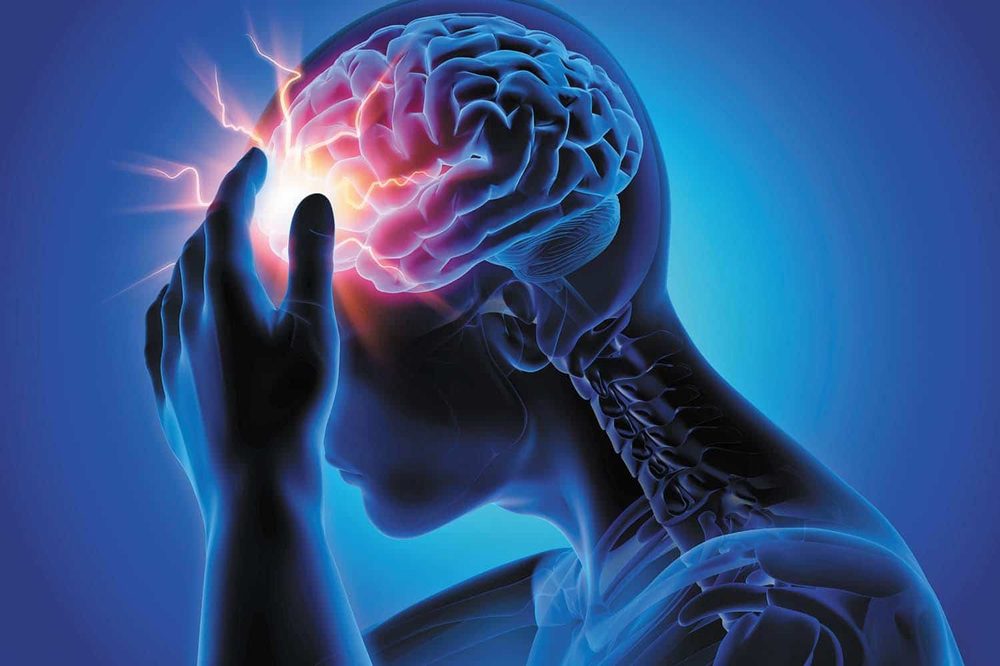
A migraine is not just a “headache”: it is a common neurological condition, affecting around 10–15% of the population, more often women. It can disrupt work, family and social life. Acupuncture is one of the approaches that can accompany medical management.
A typical attack combines pain that is often one-sided, throbbing, moderate to severe, worsened by exertion, with nausea and sensitivity to light or noise. Some people have an “aura” (visual disturbances, tingling) just before. An attack lasts 4 to 72 hours.
Triggers vary: stress or the let-down after stress, too little or too much sleep, skipped meals, hormonal changes (periods), weather changes, certain foods. Keeping a diary of your attacks is very helpful for identifying yours. Diagnosis remains a medical matter.
TCM pays close attention to where the pain is located, since each area of the head corresponds to a meridian pathway:
As for causes, migraine is often linked to rising Liver Yang (tension, stress, irritability), Qi stagnation, sometimes “phlegm” (heaviness, nausea), or a lack of Blood and energy (exhaustion headaches, period-related migraines). Again, these are traditional frameworks that guide point selection and lifestyle advice.
The authoritative Cochrane reviews conclude that acupuncture is beneficial for preventing episodic migraine and tension-type headache: fewer days with an attack in treated people. In some studies, the effect is comparable to that of preventive medication, with fewer side effects.
The goal is therefore mainly to space out and lighten attacks, rather than to treat an attack that has already set in. Acupuncture replaces neither your acute treatment nor your preventive treatment: never change either without medical advice.
I use very small, single-use needles, much finer than a needle used for a blood test. Most of the time, you feel a light pinprick, then nothing more. Sometimes you feel nothing at all; some areas are more sensitive than others. This sensation lasts a few seconds, then settles.
You may also feel, around the needle, a dull sensation of heaviness, warmth or tingling: this is expected and not a cause for concern. If anything bothers you, tell me: I can adjust or remove the needle straight away.
This does happen sometimes: an attack can occur within 48 to 72 hours after a session. This is a known, non-worrying reaction, and it is useful to mention it to me so I can adjust the next session (see the article “After the session”).
When should you seek care quickly?
A headache calls for urgent care (a doctor, the emergency department, or 15 in France) if you have:
Also mention it to your doctor if you take painkillers several days a week: using them too often can perpetuate headaches.
This article is for informational and educational purposes. It does not replace a medical consultation and is not personalised advice.